Evaluating and Selecting Crypto Exchanges: A Technical Framework
When you choose a crypto exchange, you are selecting an execution venue, custody model, legal counterparty, and API provider in one decision. This article provides a structured approach to cataloging and evaluating exchanges based on operational mechanics, not marketing claims. It covers exchange architectures, liquidity routing, custody models, jurisdiction mapping, and the specific data points to verify before routing capital or connecting trading infrastructure.
Centralized vs. Decentralized Architecture
Centralized exchanges (CEXs) operate an orderbook and custody model where the exchange holds private keys. Users deposit crypto into exchange controlled wallets, trades settle instantly within the exchange’s internal ledger, and withdrawals trigger onchain transactions signed by the exchange. The exchange acts as counterparty to every trade and intermediary to every deposit and withdrawal.
Decentralized exchanges (DEXs) execute trades through smart contracts. Automated market maker (AMM) DEXs like Uniswap use liquidity pools where users swap against algorithmically priced reserves. Orderbook DEXs like dYdX post bids and asks onchain or in an offchain orderbook with onchain settlement. Users retain custody throughout the swap; the contract holds funds only during the atomic swap transaction.
Hybrid models exist. Some exchanges maintain offchain orderbooks for speed but settle trades onchain. Others custody funds centrally but allow direct wallet connections for specific trading pairs. The custody boundary determines your counterparty risk, withdrawal latency, and recovery process if the exchange fails.
Liquidity Depth and Routing Mechanics
Exchange liquidity varies by trading pair, time of day, and whether the exchange routes orders internally or aggregates from other venues. Check the 2% market depth for pairs you trade: the dollar volume you can execute within 2% of mid price. This metric reveals how much capital you can deploy before meaningful slippage.
Some centralized exchanges function as liquidity aggregators, routing your order across multiple internal pools or external venues. Binance, for example, may fill a large BTC/USDT order by matching internal orders, tapping its liquidity provider network, and routing remainder to partner exchanges. The routing logic is proprietary; you see a single fill price but cannot inspect the routing tree.
DEX aggregators like 1inch and Matcha split orders across multiple AMM pools and orderbook DEXs to optimize execution. The aggregator calculates the lowest cost path at query time, considering gas fees, slippage, and price impact across venues. You approve the aggregator contract to spend your tokens, and it executes the split routing in a single transaction.
Liquidity fragmentation across chains means you must map which pairs trade on which networks. ETH/USDC liquidity on Ethereum mainnet differs from ETH/USDC on Arbitrum or Base. Crosschain swaps introduce bridge risk and additional latency.
Custody and Withdrawal Mechanics
Centralized exchanges custody your funds in hot wallets (online, for immediate withdrawals), warm wallets (partially online), and cold wallets (offline, for bulk storage). The ratio between these determines withdrawal speed and security. Exchanges typically process withdrawals from hot wallets within minutes but may require manual approval or batch processing for amounts above a threshold.
Withdrawal limits vary by verification tier. Unverified accounts may face daily limits under $1,000. Full KYC accounts access higher limits, sometimes exceeding $1 million daily for institutional users. Confirm the limit structure before depositing amounts you need to withdraw quickly.
DEXs eliminate custody risk during trading but introduce smart contract risk. Your wallet holds the tokens until the swap executes. The contract has access only during the transaction, and you can revoke token approvals at any time. Recovery after a failed transaction requires no exchange support; the blockchain state determines the outcome.
Proof of reserves mechanisms allow some CEXs to demonstrate solvency. The exchange publishes a Merkle tree of user balances and signs a message with wallets holding sufficient assets to cover liabilities. Verify that the proof includes the trading pairs you hold and that the attestation is recent. Proof of reserves does not prevent mismanagement or fraud, but it provides a snapshot of solvency at a point in time.
Jurisdiction and Regulatory Exposure
Exchange jurisdiction determines which regulations apply, which users the exchange can serve, and how disputes resolve. An exchange incorporated in the Cayman Islands, operating servers in Singapore, and serving US users creates a complex regulatory picture.
US users face restricted access to many international exchanges after enforcement actions in 2023 and 2024. Exchanges either geofence US IP addresses, require attestation of non-US residency, or maintain separate US entities with limited token offerings. Verify current availability rather than assuming historical access still applies.
EU users encounter MiCA regulations requiring exchanges to register as Crypto Asset Service Providers. Compliance timelines vary by exchange; some applied early, others exited EU markets. The UK maintains separate requirements under FCA registration.
Regulatory status affects token availability. Exchanges serving US users typically delist tokens that the SEC may classify as securities. Exchanges outside US jurisdiction list a broader range of tokens but may face pressure to delist specific assets under local regulations.
Fee Structures and Order Types
Trading fees typically consist of a maker fee (for orders that add liquidity) and taker fee (for orders that remove liquidity). Maker fees range from 0% to 0.10% on major CEXs; taker fees range from 0.05% to 0.20%. Volume based discounts reduce fees at higher monthly trading volumes.
DEX fees split between liquidity providers and the protocol. Uniswap V3 charges 0.05%, 0.30%, or 1.00% per swap depending on the pool. Liquidity providers earn the majority of this fee; the protocol retains a portion if governance enables the fee switch.
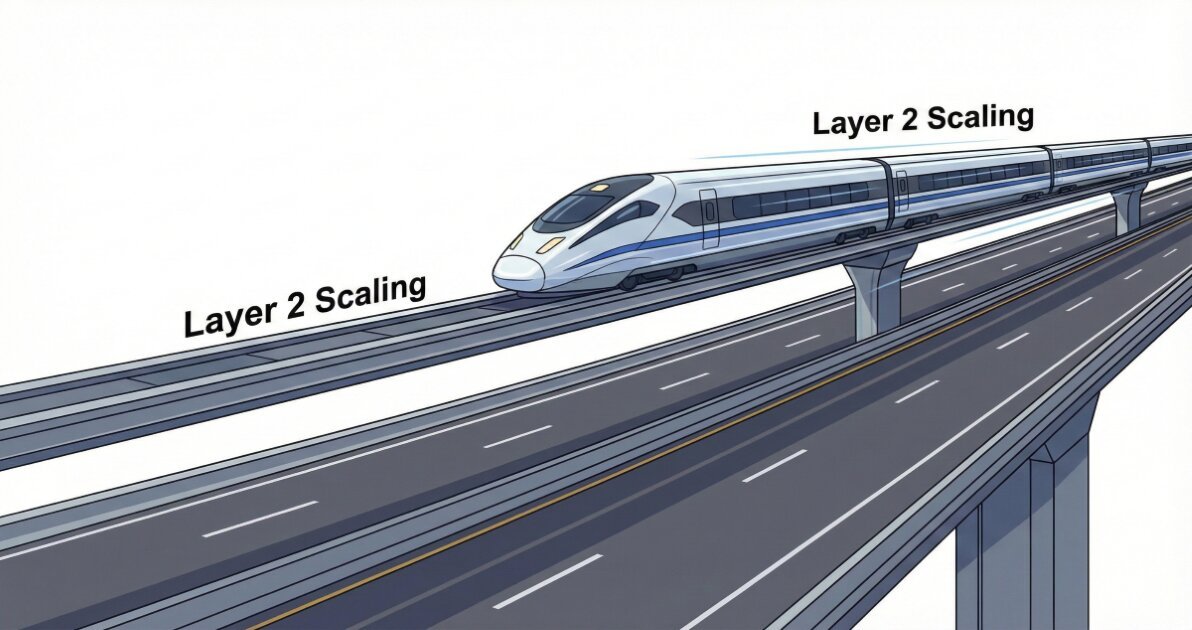
Network fees (gas) add to DEX costs. A simple swap on Ethereum mainnet might cost $5 to $50 in gas depending on network congestion. Layer 2 networks reduce gas to under $1 for most swaps. Calculate total cost as trading fee plus gas rather than comparing trading fees alone.
Order types beyond market and limit orders appear primarily on centralized exchanges. Stop loss orders, trailing stops, iceberg orders, and post only orders require exchange infrastructure to monitor and execute. DEXs support only immediate execution or time delayed orders through specialized contracts.
Worked Example: Routing a $50,000 USDC to ETH Swap
You need to swap $50,000 USDC to ETH with minimal slippage. Start by checking 2% market depth on your candidate exchanges. Assume Coinbase shows $2 million depth, Kraken shows $1.5 million, and Uniswap V3 (0.05% pool) on Arbitrum shows $800,000.
On Coinbase, your order fits comfortably within the 2% depth. You pay a 0.60% taker fee ($300) and receive ETH within seconds. Withdrawal to your wallet incurs a flat fee (check current rate, typically $5 to $20 for ETH) and processes within 10 minutes.
On Uniswap via Arbitrum, you pay a 0.05% swap fee ($25), approximately $0.50 in gas, and face roughly 0.30% price impact given your size relative to pool depth ($150). Total cost around $175. Tokens arrive in your wallet atomically with the swap; no withdrawal step exists.
A DEX aggregator might split the order: $30,000 through Uniswap V3 0.05% pool, $15,000 through Camelot, $5,000 through Trader Joe, optimizing for lowest combined slippage and fees. The aggregator charges no additional fee but routes through its contract, creating a token approval dependency.
If speed matters less than cost, you could place a limit order on a CEX at a price $50 (roughly 0.25%) better than current market, accepting the risk of partial fill or no fill if price moves away.
Common Mistakes and Misconfigurations
- Ignoring withdrawal fees when comparing trading costs. A CEX with lower trading fees may charge $25 for ETH withdrawal while a competitor charges $5. For positions you plan to withdraw, total cost includes both fees.
- Approving unlimited token spend to DEX contracts or aggregators. Approve only the amount you intend to swap immediately. Revoke approvals after trading or when switching to a different aggregator.
- Assuming orderbook depth at one moment applies hours later. Liquidity fluctuates, especially for smaller cap pairs. Recheck depth before executing large orders.
- Routing through a CEX without confirming token deposit and withdrawal functionality. Some exchanges list tokens for trading but suspend deposits or withdrawals during network upgrades or liquidity issues.
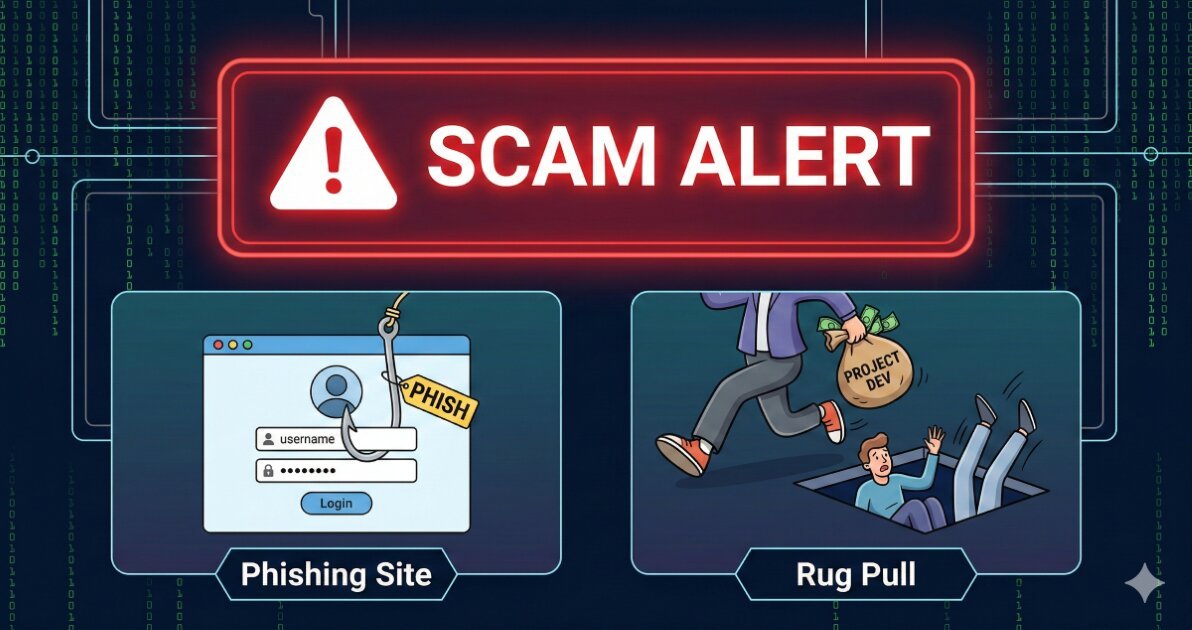
- Neglecting to verify the smart contract address for DEX pools. Phishing sites clone DEX interfaces with malicious contract addresses. Confirm the contract address matches the official documentation.
- Mixing up network selection when depositing to a CEX. Depositing USDC via Arbitrum to an address expecting USDC via Ethereum mainnet results in lost funds unless the exchange explicitly supports multiple networks at that address.
What to Verify Before You Rely on This
- Current fee schedules for your trading volume tier. Exchanges adjust fees; verify the rates that apply to your account.
- Withdrawal limits and processing times for your verification level. Limits change with policy updates and regulatory requirements.
- Token availability for your jurisdiction. Geofencing and delisting actions occur frequently. Confirm you can access the pairs you need.
- Network support for deposits and withdrawals. Exchanges add and remove network options; verify the networks you plan to use are active.
- Smart contract audit status and age for DEX protocols. Older audits may not cover recent contract upgrades.
- Proof of reserves publication frequency and coverage. Check when the last proof was published and whether it includes your holdings.
- Regulatory registration status in your jurisdiction. Registration requirements evolve; confirm current compliance status.
- API rate limits and access tiers if connecting trading bots. Free tiers often restrict order placement rates and historical data depth.
- Insurance or asset protection programs. Few exchanges maintain comprehensive insurance; verify coverage amounts and claim processes.
- Current liquidity depth for your specific pairs. Query orderbook snapshots rather than relying on historical data.
Next Steps
- Query 2% market depth on three exchanges for your primary trading pairs. Compare depth to your typical order size and identify which venues can handle your flow without meaningful slippage.
- Verify custody mechanics and withdrawal processing times for exchanges you use frequently. Test a small withdrawal to confirm the process and measure actual timing.
- Set up a verification routine for regulatory status and token availability. Check monthly whether your exchanges still serve your jurisdiction and list the tokens you trade. Subscribe to exchange announcements for delisting notices and policy changes.
Category: Crypto Exchanges
Related Stories
Washington State Crypto Exchange Licensing and Operational Requirements

White Label Crypto Exchange Cost Structure and Hidden Variables