Crypto Exchange vs Wallet: Custody, Control, and Operational Trade-offs
Exchanges and wallets both hold cryptoassets, but their custody models, key management architectures, and operational constraints differ in ways that affect settlement finality, counterparty risk, and recovery workflows. Understanding these distinctions matters when designing withdrawal patterns, evaluating insolvency exposure, or selecting infrastructure for protocol interaction. This article maps the technical boundaries between the two and highlights decision points that affect day-to-day operations.
Custody and Key Control
Exchanges operate as custodians. When you deposit funds, the exchange credits your internal account ledger but controls the private keys to the underlying onchain addresses. You hold a contractual claim, not direct cryptographic control. Withdrawals require the exchange to sign and broadcast a transaction, introducing execution delay and counterparty dependency.
Wallets (noncustodial) store private keys on your device or hardware module. You sign transactions locally. The wallet software may rely on external nodes for blockchain state queries and transaction broadcast, but it cannot unilaterally move your funds. Custodial wallets blur this line; they resemble exchange accounts more than true noncustodial wallets.
The control difference surfaces during disputes, protocol forks, or exchange insolvency. Noncustodial wallet users can export keys, switch clients, or participate in governance votes without intermediary consent. Exchange users depend on the platform’s policy decisions and solvency.
Settlement Finality and Liquidity Access
Exchanges settle trades internally. A BTC/USDT swap between two users on the same exchange updates database entries without onchain activity. This allows sub-second execution and zero network fees for the trade itself, but settlement occurs within the exchange’s internal ledger, not on the blockchain. You gain liquidity and speed; you lose onchain finality until you withdraw.
Noncustodial wallets interact with decentralized exchanges (DEXs) or peer protocols. Every trade or transfer is an onchain transaction subject to network confirmation time and gas costs. Finality is transparent and verifiable, but execution latency increases, especially on congested networks. Atomic settlement (trade and transfer complete in one transaction or neither completes) is possible with smart contracts, whereas exchange internal trades rely on the platform’s matching engine and database integrity.
Operational Dependencies
Exchange dependencies:
– Platform uptime: API outages, maintenance windows, or rate limits can block access.
– Withdrawal policies: minimum amounts, whitelisted addresses, KYC verification levels, and processing queues.
– Regulatory compliance: freeze orders, asset delisting, geographic restrictions.
– Proof of reserves: periodic attestations (if provided) let you verify solvency, but you cannot audit balances continuously.
Noncustodial wallet dependencies:
– Node infrastructure: reliance on third party RPC providers (Infura, Alchemy, public nodes) for broadcasting and querying. If the provider censors transactions or goes offline, you can switch providers or run your own node.
– Software integrity: wallet client bugs, malicious updates, or clipboard hijacking can compromise keys or misdirect transactions.
– Recovery mechanisms: seed phrase or hardware wallet backup. Loss of both the device and seed phrase means permanent fund loss with no account recovery process.
Interacting with Onchain Protocols
Noncustodial wallets connect directly to DeFi protocols via WalletConnect, injected Web3 providers, or hardware wallet bridges. You sign messages and transactions that the protocol’s smart contracts verify. This permits staking, liquidity provision, governance voting, and other contract interactions without intermediaries.
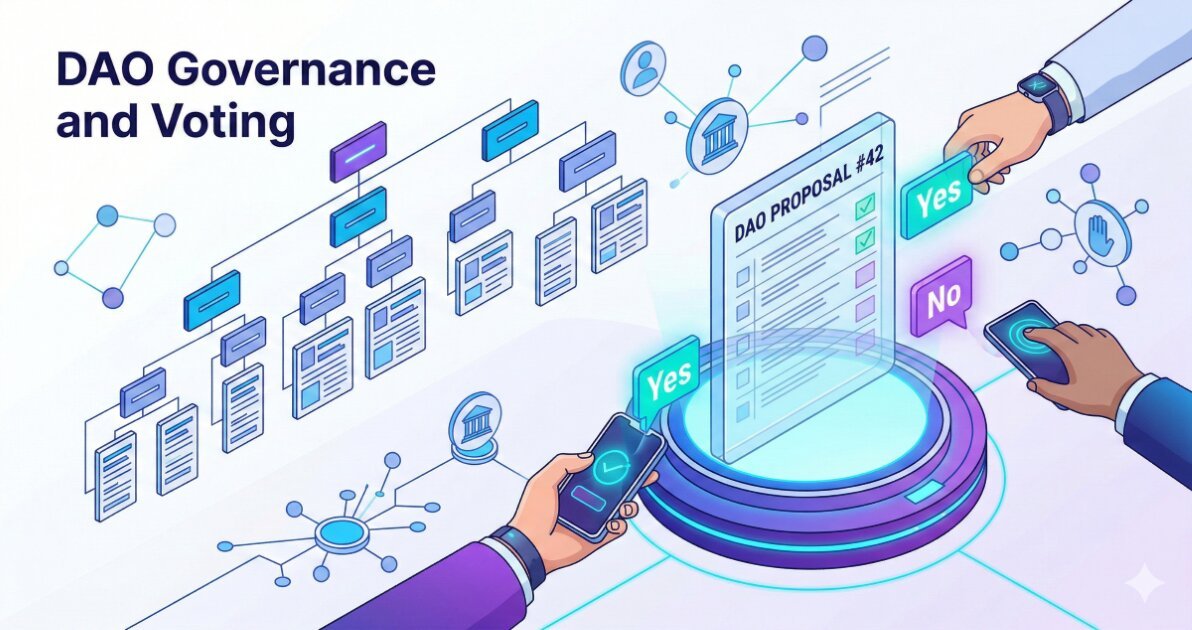
Exchanges typically do not expose user addresses to external protocols. Some platforms offer staking or yield products, but these are custodial services managed by the exchange, not direct protocol interaction. You cannot use exchange-held assets as collateral in external lending protocols or vote in DAO governance unless you first withdraw to a noncustodial wallet.
Fee Structures and Gas Management
Exchanges charge withdrawal fees (often fixed per asset) and trading fees (percentage of volume or tiered by 30 day volume). Deposit fees are rare. Internal transfers between users on the same exchange may be free. Network fees are abstracted; the exchange batches withdrawals to reduce per-user costs and covers gas.
Noncustodial wallets require you to supply gas for every onchain transaction. You set the gas price and limit, accepting the trade-off between confirmation speed and cost. During network congestion, a misconfigured gas price can leave transactions pending for hours or result in failed transactions that still consume gas. Some wallets offer gas estimation APIs, but accuracy varies with mempool volatility.
Worked Example: Moving USDC from Arbitrum to Mainnet Ethereum
Via exchange:
1. Deposit USDC to exchange Arbitrum deposit address (one onchain transaction, ~2 minute confirmation).
2. Exchange credits your account after confirmations.
3. Initiate withdrawal to Ethereum mainnet address.
4. Exchange processes withdrawal (possibly batched with others, timing depends on queue and policy).
5. Receive USDC on Ethereum (one onchain transaction initiated by exchange).
Total onchain transactions: two (deposit, withdrawal). Network fees paid by you: deposit transaction gas. Exchange covers withdrawal gas and may charge a flat USDC withdrawal fee. Processing time: deposit confirmation plus exchange withdrawal processing window (minutes to hours, depending on platform).
Via noncustodial wallet using a bridge:
1. Connect wallet to a bridge interface (Arbitrum native bridge or third party).
2. Approve USDC spending by bridge contract on Arbitrum (one transaction, ~$0.10 in gas at typical Arbitrum L2 fees).
3. Initiate bridge transfer (one transaction on Arbitrum, ~$0.50 in gas).
4. Wait for challenge period if using Arbitrum native bridge (roughly seven days) or rely on validator set if using a third party bridge (minutes to hours).
5. Claim USDC on Ethereum mainnet (one transaction, gas cost varies with Ethereum mainnet congestion, often $5 to $50+).
Total onchain transactions: three (approval, bridge deposit, claim). All gas fees paid by you. Processing time: bridge-dependent (validator bridges: under an hour; native optimistic rollup bridge: seven days).
The exchange path abstracts bridge mechanics and spreads gas costs across batched operations, but introduces withdrawal policy constraints and counterparty risk. The wallet path offers full control and transparent settlement but exposes you to gas price volatility and bridge contract risk.
Common Mistakes and Misconfigurations
- Assuming exchange balances equal onchain reserves. Exchanges may operate fractional reserves or commingled omnibus wallets. Verify proof of reserves disclosures and compare against total user liabilities.
- Ignoring withdrawal whitelist policies. Many exchanges require address whitelisting with 24 to 48 hour activation periods, blocking rapid exit during market stress.
- Using exchange APIs without rate limit handling. Exceeding API request limits can temporarily lock your account or delay critical operations.
- Storing seed phrases digitally. Screenshots, cloud backups, or password managers are common attack vectors. Use offline, physically secured storage.
- Sending tokens to exchange deposit addresses before checking asset support. Depositing an unsupported token (wrong network, delisted asset, or contract-based token to a wallet expecting native assets) can result in permanent loss.
- Failing to test small amounts on new wallet software or bridge routes. Bugs in wallet implementations or bridge contract exploits have resulted in fund loss. Small test transactions reduce exposure.
What to Verify Before You Rely on This
- Exchange proof of reserves publication schedule and methodology. Confirm whether reserves cover 100% of liabilities and whether the audit includes your specific assets.
- Withdrawal fee schedule and network selection. Exchanges may offer multiple networks (ERC-20, BEP-20, TRC-20) with different fee structures. Verify destination compatibility.
- Wallet client open source status and audit history. Check GitHub commit activity, known vulnerability disclosures, and whether security audits are publicly available.
- Node provider SLA and fallback options. If using a hosted node service, verify uptime guarantees and test switching providers.
- Bridge validator set composition and security model. Understand whether the bridge uses optimistic rollups with challenge periods, validator multisigs, or zero knowledge proofs. Check for historical exploit incidents.
- Exchange insurance fund size and coverage terms. Some platforms maintain insurance funds for specific loss scenarios. Verify what is covered and exclusion clauses.
- KYC tier limits for withdrawals. Confirm daily and monthly withdrawal caps tied to your verification level.
- Smart contract upgrade mechanisms for protocols you interact with. If using DeFi protocols via wallet, check whether contracts are upgradable, who controls upgrade keys, and if timelocks are enforced.
- Recovery procedure for lost hardware wallet or seed phrase. Confirm whether you have backups and test recovery on a separate device before relying on significant balances.
- Regulatory restrictions on specific assets or user jurisdictions. Exchange asset listings and service availability can change with regulatory developments. Verify current status for your region.
Next Steps
- Audit your current asset distribution. Calculate what percentage of holdings sits on exchanges versus noncustodial wallets. Assess whether this aligns with your risk tolerance for counterparty exposure and operational control.
- Test a full withdrawal and deposit cycle on a noncustodial wallet. Use a small amount to validate seed phrase backup, transaction signing, gas estimation, and node connectivity.
- Map protocol interaction requirements. If you need to stake, vote, or provide liquidity, confirm which platforms support these actions custodially versus requiring noncustodial wallet integration.
Category: Crypto Wallets
Related Stories
Washington State Crypto Exchange Licensing and Operational Requirements

White Label Crypto Exchange Cost Structure and Hidden Variables