Binance.com Exchange Architecture and Operational Mechanics
Binance.com operates as a centralized crypto exchange offering spot, margin, derivatives, and staking services. Understanding its account structure, order routing, and custody model matters when planning arbitrage strategies, managing counterparty risk, or integrating via API. This article dissects the platform’s technical layers, fee schedules, withdrawal mechanics, and the distinctions that separate Binance.com from its regional offshoots.
Account Tiers and KYC Gating
Binance enforces tiered verification that gates withdrawal limits and product access. Unverified accounts can deposit and trade but face withdrawal restrictions. Intermediate verification typically opens spot trading and limited withdrawals. Advanced verification unlocks margin, futures, and higher daily withdrawal caps.
The verification tier directly affects API rate limits. Accounts with lower tiers encounter stricter request throttling on REST endpoints and WebSocket connections. If you run market making bots or portfolio rebalancers, confirm your tier supports the call frequency your strategy requires. The exchange publishes weight limits per endpoint; exceeding these triggers temporary IP or account bans.
Verify regional restrictions before onboarding. Binance.com explicitly blocks users from certain jurisdictions. Attempting to bypass geo-blocks via VPN risks account freezes and asset holds during compliance reviews.
Order Types and Execution Priority
Binance supports limit, market, stop limit, stop market, and OCO (one cancels the other) orders on spot markets. Futures markets add reduce only, post only, and time in force modifiers. Order matching follows price-time priority within each order book.
Market orders execute immediately against the best available liquidity but incur maker-taker spreads and slippage on thin pairs. Limit orders rest on the book and qualify for maker rebates if they add liquidity. Post only orders reject if they would cross the spread, ensuring you never pay taker fees unintentionally.
Stop orders trigger when the last traded price crosses your specified threshold. Binance uses the last price, not mark price, for spot stop triggers. This exposes you to wick risk: a brief price spike can trigger your stop even if the mark or index price remains stable. Futures stops can reference mark price or last price depending on your configuration.
Iceberg orders split large positions into smaller visible chunks, concealing total order size. The hidden portion remains off book until the visible slice fills. Use these when managing large positions on low liquidity pairs to avoid signaling intent.
Custody and Withdrawal Mechanics
Binance holds customer assets in omnibus wallets segregated by asset type. The exchange pools user balances and manages hot and cold storage internally. Hot wallets fund automated withdrawals; cold wallets store the majority of assets offline.
Withdrawal requests under automated thresholds process within minutes. Larger withdrawals or flagged accounts enter manual review queues. The exchange does not publish specific thresholds. If you withdraw significant sums regularly, expect periodic delays during compliance checks.
Binance batches withdrawals to reduce onchain fees. Your transaction may appear in a batch with other users’ outputs. This improves cost efficiency but leaks limited metadata about withdrawal timing and amounts. The exchange covers network fees for certain assets, while others pass fees directly to users.
Address whitelisting adds a security layer. When enabled, withdrawals only succeed to preapproved addresses. Changes to the whitelist trigger email confirmation and a waiting period. Factor this delay into emergency exit plans.
Fee Structure and VIP Discounts
Binance charges maker and taker fees on a sliding scale tied to 30 day trading volume and BNB balance. Base tier users pay standard rates; higher volume traders qualify for reduced fees or maker rebates. Holding BNB in your account and electing to pay fees in BNB applies an additional discount.
Futures contracts use the same tiered structure but calculate volume separately from spot markets. Cross margin and isolated margin positions share the same fee schedule. Funding rates on perpetual contracts settle every eight hours; these are peer to peer transfers between long and short positions, not fees paid to the exchange.
Verify current fee schedules in your account dashboard. The exchange adjusts rates and VIP thresholds periodically. Automated trading strategies should query fee tier endpoints via API to ensure profitability assumptions remain valid.
API Integration and Rate Limits
Binance offers REST and WebSocket APIs for trading, market data, and account management. REST endpoints carry per endpoint weight limits; WebSocket streams provide real time order book and trade feeds without polling.
The exchange enforces request weight budgets per minute and per day. Exceeding limits results in 429 rate limit errors and temporary bans escalating from minutes to hours for repeat violations. Each endpoint consumes different weight; batch operations like multi-order submission consume more weight than single queries.
WebSocket connections require periodic keepalive messages. Failing to send ping frames within the specified interval results in automatic disconnection. Reconnect logic should include exponential backoff to avoid triggering abuse detection.
API keys support IP whitelisting and permission scoping. Restrict keys to specific IP ranges and grant only necessary permissions (read, trade, withdraw). Withdraw permission on API keys represents significant risk; enable only when automation requires it and monitor key activity closely.
Worked Example: Cross Exchange Arbitrage Flow
You identify a price discrepancy: ETH trades at $3,000 on Binance and $3,020 on another exchange. You hold 10 ETH and $30,000 USDT on Binance.
-
Place a market sell for 10 ETH on Binance. Order fills at $2,998 average due to slippage, netting $29,980 USDT. Taker fee of 0.1% costs $29.98, leaving $29,950.02.
-
Simultaneously buy 10 ETH on the other exchange at $3,020, costing $30,200 plus fees.
-
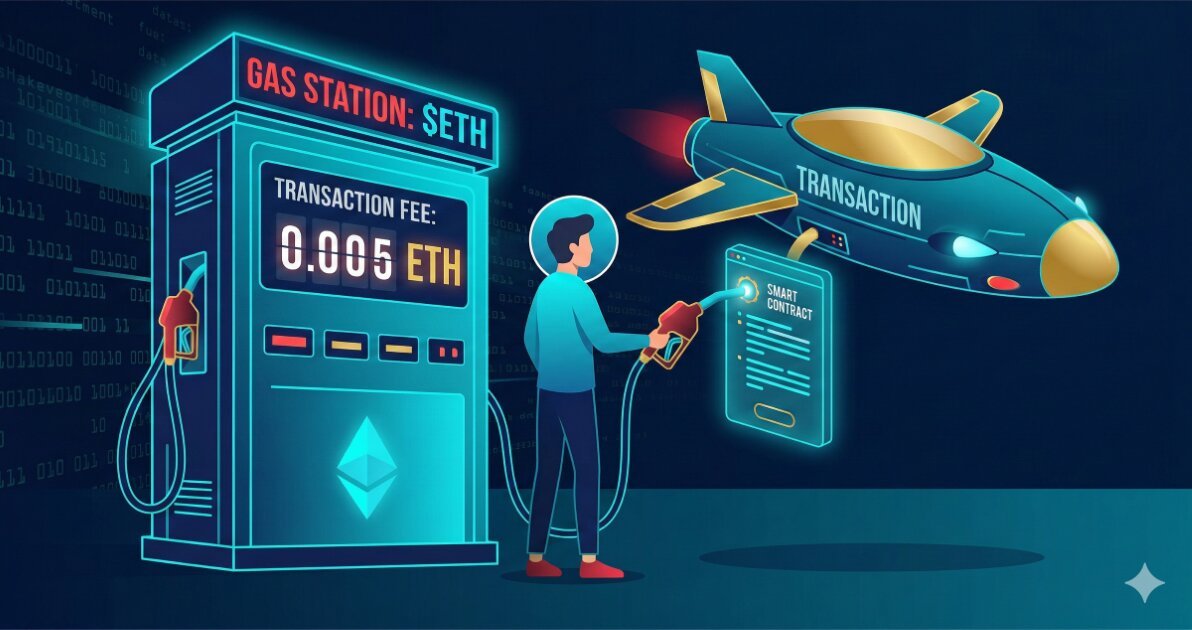
Initiate withdrawal of 10 ETH from the other exchange to Binance. Network fee consumes 0.005 ETH. Withdrawal enters queue.
-
Binance credits 9.995 ETH after 12 confirmations, roughly 3 minutes for Ethereum. During this window, the spread narrows to $5, erasing profit potential.
The arbitrage failed due to withdrawal latency and fees. Successful execution requires pre-positioned inventory on both venues and sub-minute execution windows.
Common Mistakes and Misconfigurations
- Using last price for futures stops without accounting for flash wicks. Mark price stops reduce false triggers on thin markets.
- Failing to check dust thresholds before trading small balances. Binance enforces minimum order sizes; remainder balances below this threshold become untradeable dust.
- Ignoring cross margin spillover risk. Cross margin mode allows one position’s liquidation to draw from your entire margin balance, not just isolated collateral.
- Assuming deposit addresses remain static. Binance rotates deposit addresses periodically. Always fetch the current address via API or dashboard.
- Hardcoding API rate limits. The exchange adjusts limits and endpoint weights without advance notice. Poll system status endpoints to detect changes.
- Overlooking mandatory two factor authentication resets on IP changes. Logging in from new IPs can trigger 2FA or email confirmations, delaying time sensitive trades.
What to Verify Before You Rely on This
- Current withdrawal limits and processing times for your verification tier and asset type
- Jurisdictional availability and whether your region has been added to or removed from restricted lists
- Fee schedule and VIP tier thresholds, especially if your 30 day volume hovers near a tier boundary
- API endpoint rate limits and request weights in the current version of the API documentation
- Dust conversion thresholds for low balance assets you plan to trade
- Network status for deposit and withdrawal functionality on specific chains, particularly during congestion or protocol upgrades
- Liquidation engine parameters on margin and futures products, including maintenance margin ratios
- Funding rate history and predicted rates on perpetual contracts
- Whether Binance covers withdrawal fees for your target asset or passes them to users
- Security settings including API key permissions, address whitelist status, and anti-phishing codes
Next Steps
- Generate read only API keys and test WebSocket connections in a sandbox or with minimal capital before deploying live strategies.
- Map your typical trade sizes to order book depth across target pairs to quantify expected slippage and adjust position sizing.
- Document withdrawal workflows for each asset class you hold, noting processing times and any manual review triggers you’ve encountered historically.
Category: Crypto Exchanges
Related Stories

Washington State Crypto Exchange Licensing and Operational Requirements

White Label Crypto Exchange Cost Structure and Hidden Variables