Identifying and Avoiding Fraudulent Cryptocurrency Exchanges
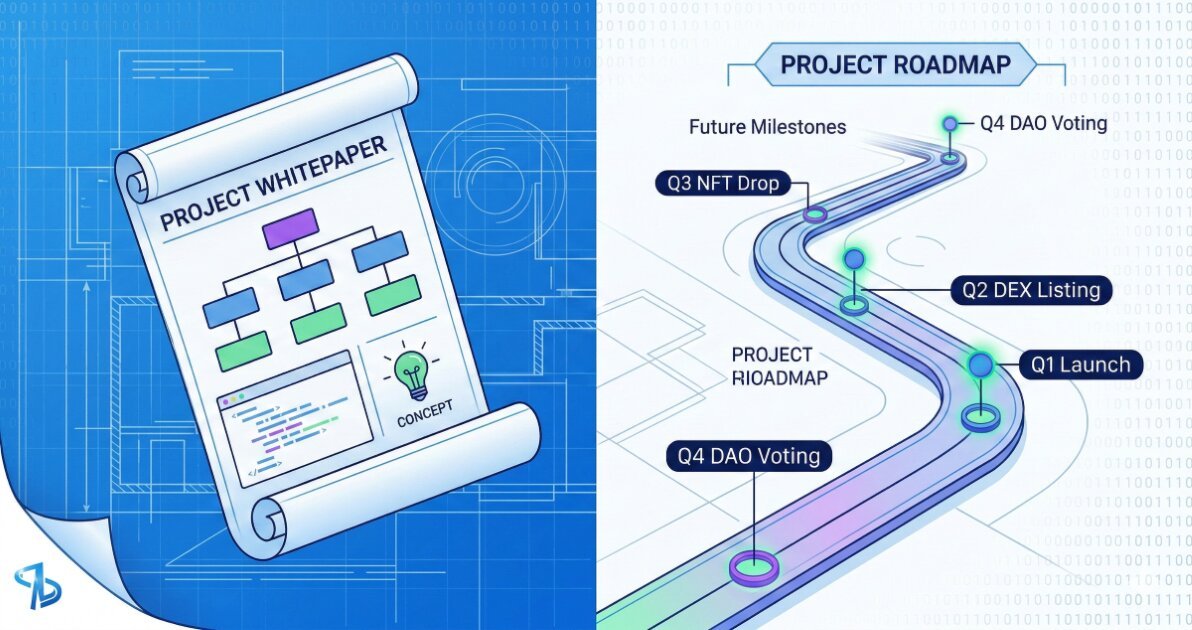
Fraudulent crypto exchanges cost users hundreds of millions in stolen deposits, fake trading volume, and withdrawal scams. For traders and analysts, distinguishing legitimate platforms from imposters requires evaluating technical, operational, and legal signals rather than relying on published lists that quickly become stale. This article walks through detection frameworks, failure modes, and verification workflows to help practitioners assess exchange legitimacy before committing funds.
Why Fraudulent Exchanges Persist
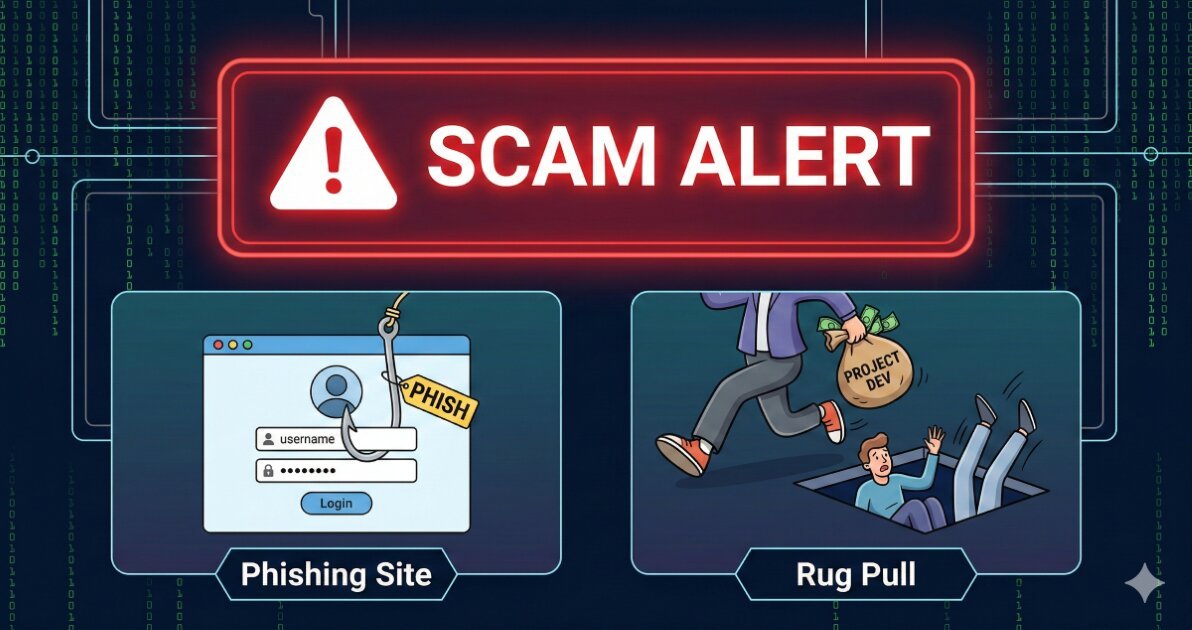
Most fake exchanges operate with one of three business models. Exit scams collect deposits for weeks or months before disappearing with user funds. Clone sites mimic established brands using similar domains and copied interfaces to harvest credentials and deposits. Pump platforms fabricate trading volume and liquidity, either to extract fees from users placing unexecutable orders or to manipulate token prices for coordinated dumps.
The barrier to launching a fake exchange remains low. Whitelabel trading software, cheaply rented domains, and purchased SSL certificates create surface legitimacy. Many scams target users in jurisdictions with weak consumer protection or limited crypto literacy, though crossborder reach means no geography is immune.
Technical Red Flags in Platform Architecture
Legitimate exchanges exhibit specific technical behaviors that fraudulent platforms struggle to replicate consistently. API response patterns offer the first signal. Query the public orderbook and trade history endpoints at intervals. Real exchanges show tick level granularity, realistic spread distributions, and observable market microstructure. Fake platforms often return static JSON with randomized price offsets or suspiciously round lot sizes.
Check blockchain deposit addresses. A genuine exchange rotates deposit addresses per user and transaction to preserve privacy and manage wallet infrastructure. Scam sites frequently reuse a small pool of addresses across many accounts. Cross reference any provided deposit address against blockchain explorers to see if it routes to a known exchange wallet or a fresh address with minimal history.
Withdrawal mechanics reveal operational legitimacy. Attempt a small test withdrawal after depositing. Measure the processing time, check if the transaction appears onchain with appropriate gas settings, and verify the receiving address. Fake exchanges either never process withdrawals, demand escalating verification documents, or impose sudden minimum withdrawal thresholds that trap funds.
TLS certificate details matter. While all sites can obtain free certificates, examine the issuing authority and certificate age. Newly issued certificates on a domain registered within the past 90 days should trigger additional scrutiny. Check domain WHOIS records for privacy shields, disposable registrar patterns, or ownership information that contradicts the claimed company registration.
Regulatory and Legal Verification
Confirm the legal entity and regulatory registrations independently. Do not trust statements on the exchange website. Search the claimed jurisdiction’s financial regulator database directly. For example, if an exchange claims FCA registration in the UK, verify the firm appears in the Financial Services Register with active permissions. For US state level money transmitter licenses, check each state’s licensing database.
Company registration alone does not equal regulatory approval. Many scams register shell companies in permissive jurisdictions but operate without required licenses. The presence of a company number in the Cayman Islands or Seychelles means only that someone filed paperwork and paid a fee. Cross reference the registered entity name against the domain registrant and any terms of service.
Check for consistent branding and entity names across the website, terms of service, privacy policy, and any regulatory filings. Mismatches suggest either a hastily assembled fraud or an attempt to obscure the actual operating entity. Legitimate exchanges maintain consistent legal identity across all public documents.
Liquidity and Orderbook Analysis
Real liquidity exhibits specific statistical properties. Analyze the orderbook depth at various price levels. Authentic markets show a density gradient, tighter spreads near the mid price, and visible reaction to trade flow. Fake orderbooks present uniform depth across wide price ranges or discontinuous jumps that do not respond to filled orders.
Submit a limit order slightly away from the best bid or offer. Monitor whether market orders from other participants interact with your order in the expected priority sequence. If your order never fills despite the market price appearing to trade through your limit, the matching engine may be fictional. Cancel the order and verify the funds return immediately to your available balance.
Compare reported trading volume against what the orderbook depth can support. A platform claiming 24 hour volume in the millions of dollars but showing only thousands in aggregate orderbook depth across all price levels indicates fabricated volume. Calculate the ratio of volume to market depth. Ratios exceeding 100:1 demand investigation.
Worked Example: Evaluating a Suspicious Platform
An analyst encounters an exchange claiming top 20 global volume, offering zero trading fees and 15% APY on deposits. The domain was registered 45 days ago. The homepage lists a company number in Belize.
First, check the public API. Querying the BTC/USDT orderbook returns 1000 levels of depth with perfectly symmetrical bid and ask sizes. Trade history shows uniform 1 BTC lot sizes every 30 seconds. Both patterns are synthetic.
Next, verify the Belize company number through the International Business Companies Registry. The entity exists but was incorporated 40 days ago, matching the domain age. No regulatory registration appears in any major jurisdiction’s database.
Create an account and deposit $50 USDT to a provided TRC20 address. The blockchain shows the address has received over 500 transactions in 30 days, all from different senders, with no outbound transactions. Funds show as credited in the account interface.
Attempt to withdraw $50. The platform demands KYC documents. After submission, it requests a 0.01 BTC “verification deposit” to prove ownership. This is a secondary scam layer. The analyst abandons the $50 and reports the platform to relevant authorities.
Common Mistakes When Evaluating Exchanges
- Trusting aggregator rankings. Many ranking sites accept payment for placement or scrape unverified volume data. A top 50 position means nothing without independent verification.
- Assuming SSL equals security. Certificate authorities issue to anyone who controls a domain. A green padlock protects data in transit but says nothing about the recipient’s legitimacy.
- Relying on social media follower counts. Bots and purchased followers create false legitimacy signals. Check engagement quality and account age instead.
- Ignoring custody model ambiguity. If the platform does not clearly explain whether it holds assets in segregated accounts, omnibus wallets, or custodial arrangements, assume the worst.
- Skipping test transactions. Depositing significant funds without first testing deposit and withdrawal cycles at small amounts ignores the cheapest risk mitigation available.
- Believing promises of guaranteed returns. No legitimate spot exchange offers yield on deposits without explicitly describing the lending or staking mechanism and associated risks.
What to Verify Before Trusting an Exchange
- Current regulatory status in your jurisdiction and the exchange’s claimed jurisdiction of operation.
- Domain registration date and registrant information against the claimed company founding date.
- Blockchain transaction history for provided deposit addresses to confirm they route to established wallet infrastructure.
- API documentation completeness and whether endpoints return data consistent with real market activity.
- Smart contract audit reports if the exchange operates a DEX or uses onchain settlement.
- Insurance fund proof of reserves for platforms claiming user asset protection beyond standard custody.
- Withdrawal processing times and fees across different assets and network conditions.
- Terms of service updates that might have introduced new withdrawal restrictions or liability limitations.
- Third party custody confirmations if the exchange claims assets are held by a named custodian.
- Recent user reports on independent forums, filtering for coordinated shill campaigns or FUD attacks.
Next Steps
- Build a verification checklist combining technical, legal, and operational signals, then apply it systematically before moving funds to any new platform.
- Test deposit and withdrawal flows with minimal amounts on unfamiliar exchanges before scaling exposure.
- Monitor blockchain analytics for changes in deposit address patterns or unexpected fund movements that might signal platform instability.
Category: Crypto Security
Related Stories
Washington State Crypto Exchange Licensing and Operational Requirements

White Label Crypto Exchange Cost Structure and Hidden Variables